





.png?command_1=resize&width_1=220 "Culturally Responsive Pedagogy Part 1")
Exploring identity
As parents arrived, they were invited to complete a simple identity map, adding information about the countries they are from, food and music from their culture, and even the meaning of their name. This activity sparked reflection and set the tone for a collaborative and inclusive conversation.
Mr Todd then welcomed parents and introduced the team leading the CIS Project on Culturally Responsive Pedagogy: Ms Jamie (Grade 1 teacher), Mr Kakuru (Mathematics teacher), Ms Naomi (Grade 1 teacher), Ms Paschalina (Science teacher), and Coach Justin (PHE teacher).
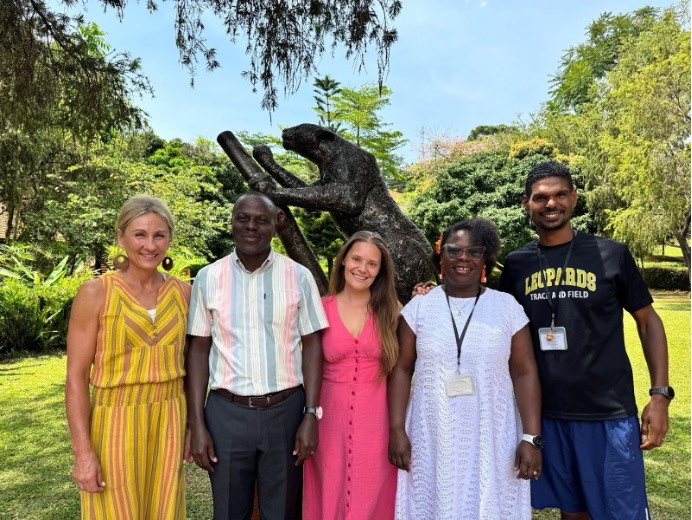
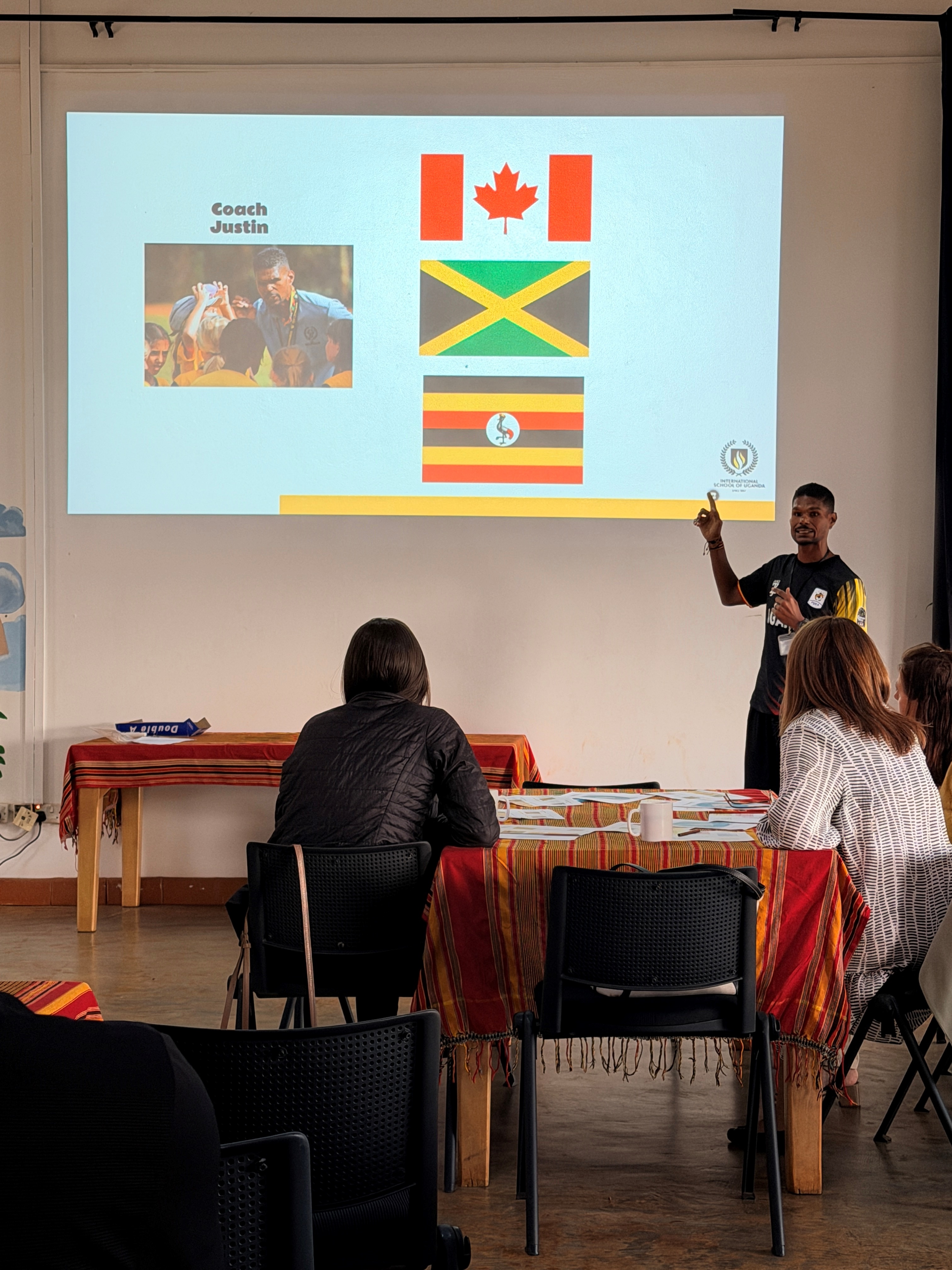
Coach Justin opened the session by sharing key aspects of his own identity. Born in Canada, raised in Jamaica, and living in Uganda for the past 11 years, he explained that while each of these countries shapes who he is, his Jamaican heritage remains central to his identity. His story modelled the importance of recognising the multiple influences that shape each individual.
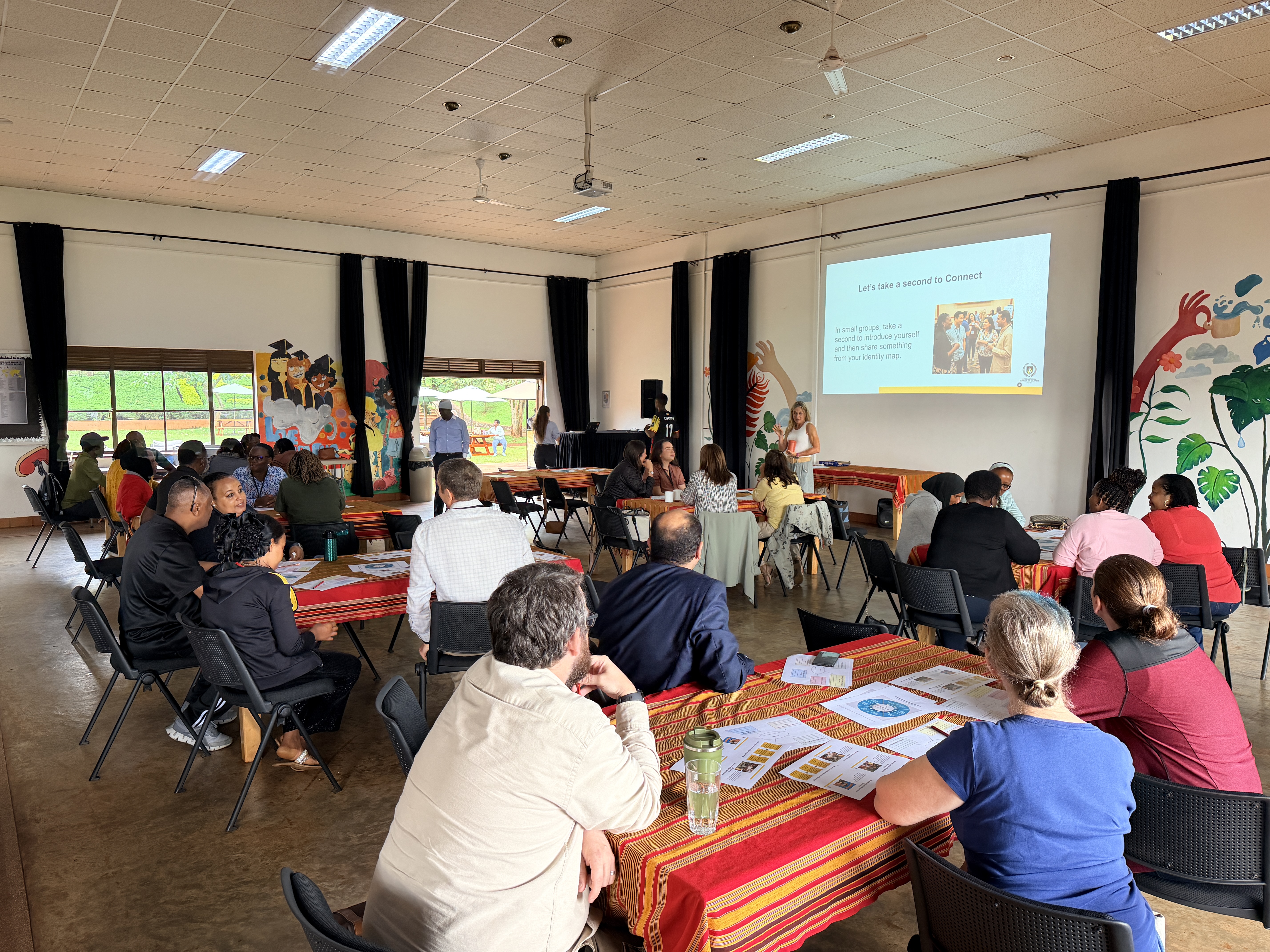
Parents then spent time connecting with others at their tables, sharing elements of their identity and engaging in rich and meaningful discussions.
What is culturally responsive pedagogy?
To introduce the concept of culturally responsive teaching, parents worked in groups to develop their own definitions before examining some established definitions and identifying connections to their initial ideas. This process encouraged thoughtful dialogue and collective meaning-making.
Culturally Responsive Teaching is a practice that leverages the multifaceted identities of students, embedding them within teaching and learning for a more inclusive and effective educational environment.
Embracing the student’s culture, language and experiences, and linking them to what is being taught in the classroom.
~Justin Cresser
This video from Edutopia further developed our understanding: Education Buzzwords Defined: What Is Culturally Responsive Teaching?
Ms Paschalina shared some of the benefits of this approach for students, including increasing interest in subjects they are learning, improving academic performance, increasing feelings of belonging and strengthening trust between students and teachers.
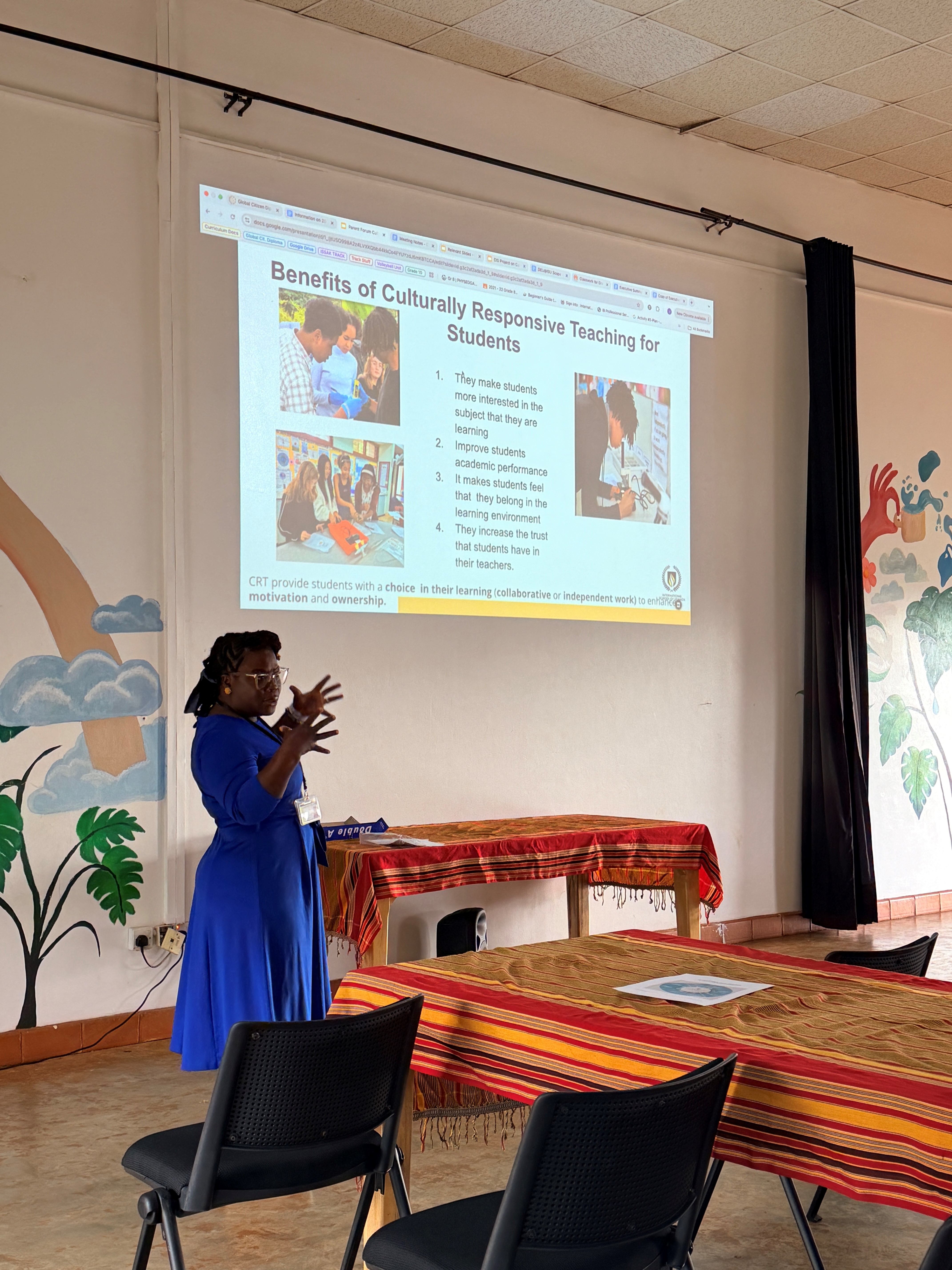
She went on to describe benefits for families, including feeling more welcome and valued in the school community, building stronger connection with teachers and the school, positive impact on student behaviour and the opportunity for parents to serve as active role models in their children’s academic lives.
Our CIS Project: Culturally Responsive Pedagogy
Ms Jamie shared the purpose and goals of the project we are undertaking as part of our CIS accreditation journey.
Purpose:
We want to create belonging through how we teach, what we teach, and the language we use. We know we can achieve this when students' cultures and lived experiences are known and valued.
Project Goals
- Understand Where We Are Now
Learn what teachers already know and do about culturally responsive teaching so we can provide the right support moving forward.
- Strengthen Curriculum Planning
Ensure every subject and unit intentionally includes culturally responsive practices.
- Create a Culture of Belonging
Fully embed these practices across the school so every student feels valued, represented, and that they truly belong at ISU.
The team also shared how data has been collected from teachers and teaching assistants through self-reflection on eight culturally responsive teaching (CRT) competencies adapted from the work of Jenny Muñiz . Staff were encouraged to respond honestly and thoughtfully, recognising that everyone is at different stages of their professional journey and that collective growth depends on transparency and openness.
The data revealed clear strengths across the school in modelling high expectations for all students and promoting respect for student differences. Areas identified for continued development include recognising and redressing bias in the system, as well as communicating in linguistically and culturally responsive ways. This data provides valuable direction, helping the team identify where strong practices can be shared and embedded more widely, and where focused development will further strengthen our approach.
What are we already doing?
Team members shared just a few examples of strong culturally responsive practices already taking place across the school. In Grade 2, a storytelling unit incorporates a variety of cultural tales shared by parents, helping students see their identities reflected in the curriculum while learning about others. In Mathematics, students explore architecture from different cultures to identify real-life applications of trigonometry, making learning meaningful and globally connected.
Students celebrate linguistic diversity by sharing key scientific terms and greetings in their home languages, affirming identity and fostering inclusive classrooms where every voice is valued. A Nutrition unit features dishes connected to students’ cultural backgrounds, honouring family traditions while exploring healthy choices. In PHE, a dance unit inspired by traditional Ugandan dance engages students in local culture through movement and expression.
What’s next?
The session closed with an invitation for participants to share ideas about how they would like to see their own cultures represented in classrooms.
Part 2 of the series will be a listening session — an opportunity for parents to share their own experiences and perspectives, helping to further inform and strengthen the school’s approach to culturally responsive practice. This will provide a meaningful opportunity for reflection and partnership, reinforcing the importance of family voice in shaping inclusive learning environments.
#ISUParentBlogs #ISUParentForum
.png)


.png&command_2=resize&height_2=85 "AI Ethics in Education")
.png&command_2=resize&height_2=85 "AI Safety in Education")
.png&command_2=resize&height_2=85 "AI Literacy in Education")
.png&command_2=resize&height_2=85 "Next Level Listening")
.png&command_2=resize&height_2=85 "Challenge Series: Service Learning")
.png "Culturally Responsive Pedagogy Part 1")